Header Graphic
Center for
Lifelong Music Making
A Musically Incompetent Nation


The majority of our nation’s eighth-grade students can’t sing in tune, play instruments or read music.  If you take them to a ball game, they can’t sing the national anthem in tune even if they know the words. Most can’t play “Twinkle, Twinkle, Little Star" on an instrument. If you locked the refrigerator door with a combination that required simple rhythmic drumming to open it, most would starve to death.

Let’s be serious now. What difference does it make if they can’t sing? They get all the music they want on the radio and through CDs. Are they going to be any smarter, richer, or happier if they can belt out a tune or beat out a rhythm?

Yes! Studies indicate that musical ability is as related to intelligence as is math or language. Music is an intelligence, says Dr. Howard Gardner, a cognitive psychologist at HarvardUniversity. In fact, making music may affect the very organization of the brain which positively impacts achievement in math, reading, and other disciplines. A study in Pawtucket, Rhode Island based on the Kodály (Ko-dye) music education approach documented improved math and reading achievement, behavior and attitude in first grade students. The students received more music time, visual arts, and the involvement of their classroom teachers. A replication of this study at Powderhorn Community School in Minneapolis Public Schools yielded similar results, with the most significant gains in word recognition and math. Another study reveals that young children who can tell the difference between different pitches become better readers. A Wisconsin study finds that kindergartners who play piano keyboards can also put puzzles together much faster.

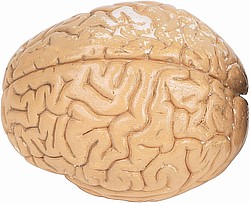
Then, there are the actual brain studies, such as the one that found that children who start practicing an instrument before they are nine have a larger area in their brains that processes sound. Researcher Marian Diamond says that rats with toys in their cages grow thicker cortexes within four days. Rats in other cages watching rats with toys don’t exhibit brain growth. Most of us see this as common sense: you learn by doing. And you learn music by making music.

Everyone can learn to sing in tune and play instruments because music making is learned behavior.  Sure, some individuals are exceptional at it, but music is no more a special talent or gift than is math or reading.  The tragedy is that we teach as if it is, so most of our children never learn to make music well.  Only a small percentage receive private lessons because their parents pay for them.  Only 1/3 of all students continue singing in choir or playing in band or orchestra into their early teens.  That means that 2/3 of all students are taught minimal skills with an emphasis on learning to "appreciate” the music that others make.  The overwhelming majority is finished with music making by age twelve!

What if we fostered a musically-competent population by engaging every student in music making every day in every classroom by:

  • singing and playing games to create a fun, cooperative environment?
  • singing to foster social cohesion?
  • singing and chanting math facts to increase automaticity and retention?
  • singing and reading ballads to develop fluency and vocabulary? 

What would happen to attendance?  Motivation?  Vitality?

It's time to launch a music-making movement.  Our nation's future depends on it.